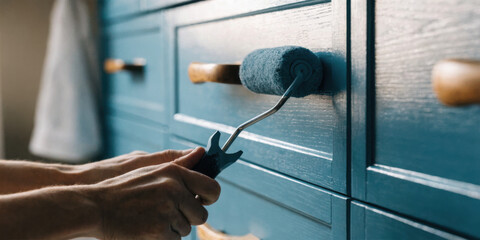
What Are the Best Cabinet Refinishing Ideas for a Fresh Kitchen Look?

A kitchen does not always need a complete renovation to feel fresh, inviting, and completely different. Sometimes, the cabinets are the first thing that needs attention because their color, finish, or overall appearance can make the entire room look dated. Instead of removing perfectly usable cabinets, refinishing them offers a chance to experiment with new colors, textures, and design details. The right cabinet refinishing idea can transform ordinary cabinetry into a feature that adds personality and style to the room. With thoughtful planning, even older cabinets can receive a refreshed appearance that feels intentional, modern, and suited to the rest of the space.

Refresh Cabinets With a New Paint Color

One of the simplest Cabinet Refinishing Modesto ideas is giving the cabinets a completely new paint color. A fresh color can dramatically change a kitchen’s mood without requiring changes to the cabinet layout. Light shades such as white, cream, beige, and soft gray can create a clean and open feeling. These colors can also work well with different countertop materials and decorative styles. Painting is particularly useful when the existing cabinets are structurally sound, but their current color no longer matches the desired design.

Homeowners who want something more distinctive can consider deeper shades for a stronger visual statement. Dark gray, navy, forest green, and other rich colors can create an elegant, sophisticated look. However, consider the surrounding elements before selecting a bold color. Wall colors, flooring, countertops, lighting, and hardware can all influence how the finished cabinets look. Testing a small section before committing to the entire project can help ensure that the selected color works well in the actual space.

Try a Two-Tone Cabinet Design

A two-tone cabinet design is another creative way to make refinished cabinetry more interesting. Instead of using one color throughout the kitchen, two complementary shades can be combined to create contrast. For example, lighter upper cabinets can be paired with darker lower cabinets for a balanced appearance. Another approach is to use a contrasting color on a central cabinet section while keeping the surrounding cabinetry neutral. This technique can make the kitchen appear more customized without changing the existing cabinet structure.

Choosing the right combination is important because the two colors should work together rather than compete for attention. Neutral combinations can create a subtle and timeless effect, while stronger contrasts can produce a more dramatic appearance. The size and lighting of the room should also influence the decision because very dark colors can feel heavier in smaller spaces. Hardware can be selected to complement both finishes and create a unified look. When carefully planned, two-tone refinishing can turn standard cabinetry into a major design feature.

Highlight Wood Grain With Staining

For cabinets made from suitable wood, staining can be an excellent refinishing idea. Unlike paint, stain allows the natural grain and character of the wood to remain visible. A new stain can make the cabinets appear warmer, richer, or more contemporary depending on the selected shade. Lighter stains can create an airy and natural appearance, while darker stains can provide depth and a more dramatic look. This option is especially appealing for homeowners who appreciate the texture and character of real wood.

The preparation process is particularly important when staining because the existing finish may need to be removed or properly prepared. Uneven preparation can cause the new stain to absorb inconsistently and create noticeable variations. Testing the stain on an inconspicuous section can help reveal how the wood will respond to the chosen color. A protective finish can then help preserve the appearance and provide additional resistance against everyday use. With proper preparation, staining can give older wood cabinets a refreshed appearance while maintaining their natural character.

Add Depth With a Glazed Finish

Glazing can provide another way to add visual depth to refinished cabinets. A glaze is typically applied over a base finish and manipulated to emphasize selected details of the cabinet design. It can draw attention to grooves, edges, raised panels, and other decorative features. Depending on the colors used, glazing can create either a subtle dimensional effect or a more aged and traditional appearance. This makes it a useful option for cabinets that have interesting details but currently look plain or flat.

The final appearance of a glazed finish depends heavily on the application technique. Too much glaze can make the cabinets appear overly dark or busy, while too little may not create enough contrast to notice the intended effect. The base color should also complement the glaze so the overall finish remains cohesive. Glazing works particularly well when the cabinet doors have profiles or architectural details that can naturally catch the darker finish. When applied carefully, this technique can make refinished cabinets look more customized and visually detailed.

Change the Look With New Cabinet Hardware

Replacing cabinet hardware can make a surprisingly large difference after refinishing. Knobs, pulls, and handles are small details, but they can strongly influence the overall style of the cabinetry. Modern hardware can make older cabinets feel more contemporary, while traditional hardware can reinforce a classic appearance. Simple hardware can also keep the focus on a newly applied cabinet finish. Since hardware is available in many shapes, sizes, and finishes, it provides an opportunity to personalize the refinishing project.

Hardware should be selected after considering the cabinet color and overall room design. Metallic finishes can provide contrast against painted surfaces, while matching finishes can create a more coordinated appearance. The size of the handles should also be appropriate for the cabinet doors and drawers. Oversized hardware can dominate smaller cabinets, while hardware that is too small may be inconvenient to use. A thoughtful combination of refinished cabinets and updated hardware can make the entire space appear more polished.

Create a Soft Matte Cabinet Finish

A matte finish can give refinished cabinets a contemporary and understated appearance. Unlike highly glossy surfaces, matte finishes reflect less light and can create a softer visual effect. They can work particularly well with neutral or muted cabinet colors because the reduced sheen allows the color itself to become the focus. Matte cabinetry can also provide a sophisticated appearance without making the kitchen feel overly formal. This makes it a useful choice for homeowners who prefer modern designs with a subtle finish.

The practical needs of the kitchen should still be considered when choosing a matte coating. Cabinets need to withstand frequent touching, cleaning, moisture, and everyday activity. Selecting a durable product designed for cabinetry can help maintain the finish over time. Proper preparation is also essential because matte surfaces may not hide significant imperfections as effectively as some other finishes. When the surface is properly prepared and the appropriate coating is selected, a matte finish can create a clean and refined result.

Give Cabinets a Classic Distressed Appearance

A distressed cabinet finish can be considered when a more relaxed, vintage, or rustic appearance is desired. This approach intentionally creates subtle signs of wear around selected edges and details. The goal is to make the cabinetry appear naturally aged rather than perfectly uniform. Distressing can work especially well with traditional cabinet profiles and warm neutral colors. It can also add personality to cabinetry that would otherwise have a very simple appearance.

The key to a successful distressed finish is restraint. Excessive distressing can make cabinets appear artificially damaged instead of naturally aged. Small areas of wear around edges, corners, and frequently touched sections can create a more convincing effect. The technique should also complement other elements in the kitchen rather than looking disconnected from them. When applied thoughtfully, a distressed finish can give refinished cabinets character while creating a comfortable and lived-in atmosphere.

Combine Refinishing Ideas for a Custom Look

Cabinet refinishing does not have to rely on only one technique. Several ideas can be combined to create a more personalized result. A homeowner might choose a new paint color, add a subtle glaze, install updated hardware, and apply a protective topcoat as part of the same project. Another option could involve staining natural wood cabinets and using contrasting hardware to emphasize the updated appearance. Combining techniques can make the finished cabinetry feel more intentional and unique.

However, combining too many design elements can make the cabinets look overly complicated. A successful refinishing project usually has one main visual idea supported by smaller complementary details. The cabinet color should remain compatible with the hardware, surrounding finishes, and overall room style. Samples and test areas can help determine whether the different elements work together before the entire project is completed. With a balanced approach, multiple refinishing ideas can produce a cohesive appearance without overwhelming the space.

Final Thoughts

Cabinet refinishing provides an opportunity to transform existing cabinetry through color, texture, hardware, and finishing techniques. A new paint color can create a dramatic change, while staining can preserve the natural beauty of suitable wood cabinets. Two-tone designs, glazing, matte finishes, and carefully selected hardware can add even more personality to the finished result. Distressed finishes can provide character, while combining several complementary ideas can create a customized appearance. The most successful refinishing project is one that balances personal style, practical needs, and the existing design of the room. With careful preparation and thoughtful choices, refinished cabinets can give a kitchen an updated appearance without the need for a complete cabinet replacement.

Cabinet Painting Cost in New Construction vs Remodels

Cabinet Painting Sacramento has become one of the most cost-effective ways to enhance the appearance of kitchens, bathrooms, laundry rooms, home offices, and built-in storage areas. A professionally painted cabinet finish can completely transform a room without the expense of replacing cabinetry, making it an attractive option for homeowners looking to maximize both style and value. However, one question frequently arises before any project begins: Does cabinet painting cost the same in new construction as it does during a remodeling project?

cabinet painting

The answer is no. While both types of projects involve preparing, priming, and painting cabinetry, the overall cost is often influenced by several different factors depending on whether the cabinets are being finished in a newly constructed property or an existing home undergoing renovation. Understanding these differences allows homeowners, builders, and property investors to create realistic budgets while making informed decisions about their cabinetry finishes.

Although cabinet painting may appear straightforward, achieving a smooth, durable, factory-like finish requires specialized preparation, professional equipment, quality materials, and careful attention to detail. Every stage of the process contributes to the final appearance and long-term durability of the finish. Whether the cabinets are installed in a brand-new home or are part of a remodeling project, proper workmanship remains one of the biggest factors affecting the overall investment.

One of the primary reasons cabinet painting costs differ between new construction and remodels is the condition of the cabinets before work begins. Newly installed cabinets typically arrive free from years of cooking residue, grease buildup, household dust, scratches, and previous coatings. Since the surfaces are generally clean and undamaged, preparation may require fewer labor hours than repainting cabinets that have been in daily use for many years.

Remodeling projects often involve significantly more preparation. Existing cabinets frequently accumulate grease, oils, food residue, cleaning product buildup, minor dents, worn finishes, water stains, and surface imperfections. Before any primer or paint can be applied, these contaminants must be thoroughly removed to ensure proper adhesion. Cleaning alone can become one of the most labor-intensive portions of the entire project.

Surface repairs also contribute to remodeling costs. Older cabinets commonly require filling dents, repairing chipped corners, sanding damaged finishes, tightening loose hardware, adjusting doors, replacing worn hinges, and correcting minor imperfections before painting begins. While these repairs may seem relatively small individually, together they increase labor time and influence the overall project budget.

New construction projects generally provide a cleaner and more organized working environment. Since the property has not yet been occupied, painters often have unobstructed access to the cabinetry without needing to protect furniture, appliances, flooring, countertops, personal belongings, or decorative items. This unrestricted access allows work to proceed more efficiently while reducing setup and cleanup time.

By contrast, remodeling projects require extensive preparation to protect the surrounding living space. Floors may need protective coverings, countertops require masking, appliances must be carefully covered, and nearby furnishings often need to be moved or shielded from dust and overspray. Creating a clean, protected work environment requires additional materials and labor, which naturally affect overall project costs.

Another important difference involves scheduling. Cabinet painting performed during new construction is often coordinated with other finishing trades before homeowners move into the property. Because painters work within a controlled construction schedule, they can complete the project without interrupting everyday household activities. This streamlined workflow often improves efficiency while reducing logistical challenges.

Remodeling projects introduce different scheduling considerations because homeowners frequently continue living in the home while work is underway. Painters must coordinate around daily routines, maintain clean work areas, minimize disruption, and carefully manage project timelines to keep essential rooms as functional as possible. These additional logistical considerations often increase labor requirements compared to new construction environments.

The type of cabinet material also plays an important role in determining painting costs. Whether the cabinets are newly manufactured or decades old, different materials require different preparation techniques. Solid wood, engineered wood products, laminate surfaces, and previously painted cabinets each require specific primers, sanding methods, and finishing systems to achieve durable results.

Cabinet design complexity is another major factor affecting pricing. Simple flat-panel cabinet doors generally require less labor than ornate raised-panel designs featuring decorative molding, detailed trim, recessed panels, or intricate carvings. Every groove, edge, and profile increases preparation and painting time because each surface must receive consistent coverage without creating drips or uneven finishes.

Large kitchens naturally require more labor than smaller spaces because they contain additional cabinet doors, drawers, shelves, trim pieces, and exposed surfaces. The total number of cabinet components often influences labor costs more significantly than the room’s square footage alone. Every removable door and drawer must be carefully labeled, prepared, painted, cured, and reinstalled with precision.

When budgeting for cabinet painting, homeowners should pay close attention to these primary cost factors:

  1. The condition of the existing cabinets, including cleanliness, surface damage, previous finishes, and the amount of preparation required before painting begins.
  2. The size and complexity of the cabinetry, including decorative details, number of doors and drawers, and accessibility during the painting process.

Understanding these variables helps create more realistic expectations while avoiding unexpected project expenses.

Surface preparation remains one of the most important stages of any cabinet painting project regardless of whether it involves new construction or remodeling. Proper preparation creates the foundation for a finish that resists peeling, chipping, staining, and premature wear. Skipping or rushing this stage may reduce initial costs, but it often leads to disappointing long-term performance.

Preparation typically includes cleaning, degreasing, sanding, repairing imperfections, removing hardware, labeling components, masking surrounding areas, applying primer, and inspecting every surface before the finish coats are applied. Each step contributes directly to the final quality of the painted cabinets and should never be overlooked in pursuit of lower project costs.

Primer selection also influences both quality and pricing. Professional-grade primers create strong adhesion between the cabinet surface and the finish coat while helping block stains and produce a smooth, uniform appearance. Choosing appropriate primers based on cabinet material ensures better durability and contributes to a longer-lasting finish that withstands daily use.

The quality of the paint itself significantly affects the total investment. Premium cabinet coatings are specifically formulated to resist scratches, moisture, household cleaning products, fingerprints, and repeated handling. While higher-quality finishes may increase initial material costs, they often reduce maintenance and repainting expenses over the long term by maintaining their appearance far longer than lower-grade alternatives.

Application methods also affect pricing. Professional cabinet painters frequently use spray equipment to achieve smooth, even finishes that closely resemble factory-applied coatings. Spray applications require specialized equipment, controlled environments, masking materials, and technical expertise. While brush or roller applications may suit certain projects, spray finishes generally produce superior results when performed correctly.

Drying and curing times should also be considered during project planning. Although painted cabinets may appear dry relatively quickly, full curing often requires additional time before the finish reaches maximum hardness and durability. Proper scheduling allows coatings to cure adequately before cabinets return to regular household use, reducing the likelihood of damage during the early stages of the finish.

Remodeling projects sometimes uncover unexpected issues after work begins. Hidden water damage beneath sinks, deteriorated cabinet components, previous repair attempts, loose joints, or structural wear may require additional attention before painting can proceed. These unforeseen repairs occasionally influence project costs but ultimately contribute to a stronger and more attractive finished result.

New construction projects generally involve fewer unexpected repairs because cabinetry is newly manufactured and recently installed. However, careful inspection remains important even with new cabinets. Minor shipping damage, installation adjustments, nail holes, or surface imperfections may still require correction before painting begins to ensure a flawless appearance.

Color selection can also influence the project. Dark colors, bright whites, and specialty finishes sometimes require additional coats to achieve consistent coverage and color depth. While the chosen color itself may not significantly alter material costs, additional application time can affect overall labor requirements.

Homeowners often compare cabinet painting with complete cabinet replacement when planning renovations. In many situations, professionally painting structurally sound cabinets offers substantial savings while dramatically improving appearance. Rather than removing functional cabinetry and purchasing entirely new units, painting allows homeowners to modernize existing spaces with far less disruption and material waste.

Another advantage of cabinet painting is its contribution to sustainability. Refinishing existing cabinets extends their useful life while reducing construction debris and conserving natural resources. For homeowners interested in environmentally responsible remodeling practices, repainting quality cabinetry represents an effective alternative to complete replacement.

To maximize value from a cabinet painting investment, consider these practical recommendations:

  1. Prioritize professional surface preparation and premium finishing materials rather than focusing exclusively on minimizing initial project costs.
  2. View cabinet painting as a long-term investment that improves appearance, durability, and property value while extending the life of existing cabinetry.

These strategies help ensure the finished cabinets continue performing beautifully for many years.

The experience of the painting professionals also influences overall project success. Skilled cabinet painters understand how different materials respond to primers, finishes, humidity, temperature, and curing conditions. Their expertise allows them to identify potential challenges early while delivering consistent, durable results across every cabinet surface.

Communication between homeowners and contractors further contributes to a successful project. Discussing expectations, finish options, color selection, timelines, hardware replacement, and maintenance recommendations before work begins helps prevent misunderstandings while ensuring the final result aligns with the homeowner’s vision.

Ultimately, cabinet painting costs differ between new construction and remodeling projects because each environment presents unique challenges, preparation requirements, and labor demands. New construction typically benefits from clean surfaces, efficient scheduling, and unrestricted workspaces, while remodeling projects often require more extensive cleaning, repairs, protection, and coordination within occupied homes.

Regardless of the project type, cabinet painting remains one of the most valuable improvements homeowners can make to enhance interior spaces. Professionally painted cabinets refresh kitchens, bathrooms, and other living areas without the expense of full cabinet replacement, offering an excellent balance between affordability and visual impact.

Whether you are completing a newly built home or updating an existing one, investing in quality cabinet painting delivers long-lasting beauty, improved durability, and enhanced property appeal. By understanding the factors that influence pricing and working with experienced professionals who emphasize preparation, craftsmanship, and premium materials, homeowners can confidently budget for a cabinet painting project that transforms their space while providing exceptional value for years to come.