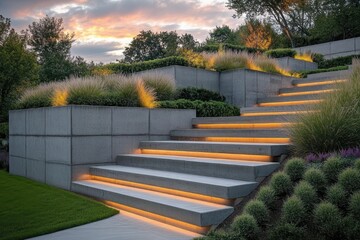
A beautiful outdoor space is much more than a healthy lawn and colorful plants. While landscaping introduces life, texture, and natural beauty to a property, hardscaping provides the structure that ties everything together. Among the many hardscaping materials available today, concrete remains one of the most versatile, durable, and cost-effective choices for residential and commercial properties alike. From elegant patios and winding walkways to retaining walls and outdoor gathering spaces, concrete hardscapes offer endless design possibilities while significantly improving both the appearance and functionality of outdoor environments.
Many property owners associate concrete only with basic sidewalks or driveways, but modern concrete hardscaping has evolved far beyond simple gray surfaces. Advances in installation techniques, decorative finishes, coloring methods, and texturing have transformed concrete into a highly customizable material capable of complementing virtually any architectural style or landscape design. Whether the goal is creating an inviting entertainment area, improving curb appeal, increasing property value, or enhancing accessibility, concrete hardscapes provide practical solutions that combine beauty with long-lasting performance. Contact GK Construction Solutions for specialized services.
At its core, hardscaping refers to the permanent, non-living features within a landscape. Unlike lawns, trees, flowers, and shrubs, hardscape elements consist of durable construction materials designed to create structure, organization, and usable outdoor spaces. Concrete serves as one of the most popular hardscape materials because it offers exceptional strength, design flexibility, and relatively low maintenance compared to many alternatives.
Concrete hardscapes can include patios, walkways, driveways, retaining walls, pool decks, outdoor kitchens, seating areas, steps, garden borders, courtyards, fire feature surrounds, and decorative landscape accents. Each of these elements contributes to a property’s overall appearance while providing practical benefits that improve how homeowners use and enjoy their outdoor living spaces.
One of the greatest advantages of concrete hardscapes is their ability to create organization throughout a landscape. Without clearly defined pathways, gathering areas, and transitions between different sections of the yard, outdoor spaces may feel disconnected or underutilized. Concrete features establish visual order by guiding movement, defining activity zones, and creating natural connections between the home, garden, and surrounding landscape.
Patios are among the most common examples of concrete hardscaping. A professionally designed patio extends the home’s living area outdoors, providing comfortable space for dining, entertaining, relaxing, or spending time with family and friends. Whether furnished with outdoor seating, dining tables, or decorative accessories, concrete patios create versatile gathering places that can be enjoyed throughout much of the year.
Walkways serve another important function by improving accessibility while enhancing the property’s overall design. Rather than allowing foot traffic to wear paths across the lawn, concrete walkways direct movement in an organized and attractive manner. Curved pathways create a relaxed, natural appearance, while straight designs contribute to a more formal aesthetic. Regardless of style, professionally installed walkways improve safety and help preserve surrounding landscaping.
Driveways also play a significant role in curb appeal. Since they often occupy a large portion of the property’s front exterior, their appearance contributes substantially to first impressions. Modern concrete driveways can incorporate decorative textures, borders, colors, and finishing techniques that complement the home’s architecture while providing exceptional durability under daily vehicle traffic.
Decorative concrete has become increasingly popular because it offers the appearance of premium materials while maintaining the durability and affordability of traditional concrete. Stamped finishes can replicate the look of natural stone, brick, wood, or tile, while colored concrete introduces warmth and visual interest that extends far beyond conventional gray surfaces. These decorative options allow homeowners to personalize their outdoor spaces without sacrificing performance.
Texture is another important feature of decorative concrete. Carefully selected finishes improve slip resistance while creating attractive surfaces that complement surrounding landscaping. Textured concrete is particularly valuable around pools, patios, walkways, and outdoor entertainment areas where both safety and appearance are important considerations.
Retaining walls represent another valuable application of concrete hardscaping. Properties with sloped terrain often require structural support to prevent erosion while creating usable outdoor space. Concrete retaining walls stabilize soil, improve drainage, and establish attractive planting areas while introducing architectural interest throughout the landscape. When properly designed, retaining walls blend functionality with aesthetics to enhance both the property’s stability and visual appeal.
Outdoor living continues to grow in popularity, making hardscape design more important than ever. Homeowners increasingly seek outdoor environments that function as natural extensions of their indoor living areas. Concrete provides an ideal foundation for outdoor kitchens, dining areas, lounge spaces, fire features, pergolas, and entertainment zones that support year-round enjoyment of the property.
When planning concrete hardscape improvements, focus on these important design priorities:
- Create functional outdoor spaces that complement the property’s layout while supporting everyday activities such as entertaining, dining, relaxation, and family gatherings.
- Coordinate hardscape materials, colors, textures, and surrounding landscaping to establish a cohesive design that enhances the home’s overall appearance.
These foundational principles help ensure that concrete hardscapes contribute both beauty and long-term usability.
Durability remains one of concrete’s strongest advantages. Properly installed concrete withstands heavy foot traffic, changing weather conditions, temperature fluctuations, and years of regular use with relatively minimal maintenance. Unlike some outdoor materials that require frequent replacement or refinishing, concrete maintains its structural integrity for decades when installed and maintained correctly.
Maintenance requirements are another reason many homeowners choose concrete hardscapes. Routine cleaning, occasional sealing where appropriate, and prompt attention to small surface issues generally keep concrete looking attractive for many years. Compared to materials requiring frequent staining, replacement, or extensive repairs, concrete offers an appealing balance between performance and long-term maintenance costs.
Water management also benefits from well-designed concrete hardscapes. Proper grading, drainage planning, and strategically positioned hardscape elements help direct rainwater away from structures while reducing erosion and protecting surrounding landscaping. Experienced contractors carefully consider drainage during the planning stage to ensure that hardscape installations contribute positively to the property’s long-term health.
Concrete hardscapes also provide valuable support for landscape design. Planting beds appear more organized when bordered by walkways or retaining walls, while patios create visual contrast against surrounding greenery. This combination of living and non-living elements creates balanced outdoor environments that feel intentional and professionally designed rather than random or overcrowded.
Lighting further enhances the impact of concrete hardscapes. Integrated pathway lighting, accent lighting around patios, and carefully illuminated retaining walls improve both safety and ambiance after sunset. Concrete surfaces reflect light effectively, helping create inviting outdoor spaces that remain functional well into the evening.
Property value is another important consideration. Attractive outdoor living spaces continue to rank among the most desirable home improvements because they increase usable living area while enhancing curb appeal. Well-designed concrete hardscapes often contribute positively to a property’s marketability by demonstrating quality construction and thoughtful landscape planning.
Sustainability has also become an increasingly important factor in outdoor design. Concrete’s long lifespan reduces the need for frequent replacement, helping minimize material waste over time. Modern installation techniques may also incorporate environmentally responsible practices that improve drainage, reduce runoff, and support more efficient landscape management.
One of the greatest strengths of concrete is its remarkable design versatility. Contemporary concrete can complement virtually any architectural style, from sleek modern homes to traditional residences and rustic outdoor settings. Through decorative finishes, custom patterns, exposed aggregate, scoring, staining, and coloring techniques, concrete adapts to a wide range of aesthetic preferences while maintaining consistent performance.
Custom design opportunities allow homeowners to personalize their outdoor environments according to their lifestyle and preferences. Some prioritize expansive entertainment patios, while others prefer peaceful garden pathways or functional outdoor workspaces. Concrete provides the flexibility necessary to accommodate these unique goals without compromising structural integrity.
Professional installation plays a critical role in the long-term success of any concrete hardscape project. Site preparation, excavation, grading, reinforcement, concrete placement, finishing, curing, and joint planning all influence the durability and appearance of the completed installation. Experienced contractors understand how environmental conditions, soil characteristics, and intended use affect every stage of construction, helping ensure lasting performance.
Timing is another important consideration. Concrete installation requires appropriate weather conditions and sufficient curing time to achieve optimal strength. Proper scheduling allows contractors to complete each stage carefully while minimizing disruptions to the surrounding landscape.
As outdoor spaces evolve, concrete hardscapes continue to provide a stable framework for future improvements. Additional landscaping, outdoor furniture, decorative features, lighting, and seasonal plantings can all be incorporated around existing hardscape elements without requiring major structural modifications. This flexibility allows homeowners to gradually enhance their outdoor environments as needs and preferences change.
When investing in concrete hardscapes, keep these practical recommendations in mind:
- Prioritize professional design and installation to ensure proper drainage, structural integrity, and long-term durability.
- Think beyond immediate appearance by selecting designs that will continue supporting your lifestyle, maintenance preferences, and property value for many years.
These thoughtful decisions maximize both the beauty and functionality of every hardscape investment.
Another often-overlooked benefit of concrete hardscapes is their ability to improve everyday convenience. Clearly defined walkways reduce muddy foot traffic, patios provide dependable outdoor gathering areas, retaining walls create level spaces for gardening, and driveways offer durable vehicle access. These practical improvements enhance daily life while making outdoor spaces easier to maintain and enjoy.
Concrete also pairs exceptionally well with other landscape materials. Natural stone accents, decorative gravel, wood features, metal railings, lush greenery, and colorful flowering plants all complement concrete’s clean, versatile appearance. This compatibility allows homeowners to create layered, visually rich landscapes that combine structure with natural beauty.
Ultimately, concrete hardscapes are much more than functional construction elements. They establish the foundation of a thoughtfully designed landscape by creating organization, improving accessibility, supporting outdoor living, and enhancing the property’s overall appearance. Their versatility, durability, and design flexibility make them one of the most valuable investments homeowners can make when improving their outdoor spaces.
Whether the project involves building a welcoming patio, installing elegant walkways, constructing retaining walls, or creating complete outdoor entertainment areas, concrete hardscapes provide lasting solutions that balance beauty with practicality. Their ability to withstand years of use while adapting to countless design styles ensures they remain one of the most popular choices for landscape improvements.
For homeowners seeking to transform their outdoor environments into functional, attractive, and valuable extensions of their homes, concrete hardscapes offer exceptional possibilities. Through thoughtful planning, quality materials, and expert installation, these permanent landscape features create comfortable outdoor spaces, inviting, and built to stand the test of time. By blending structural reliability with creative design, concrete hardscapes continue to enhance properties while providing lasting enjoyment for families and visitors alike.