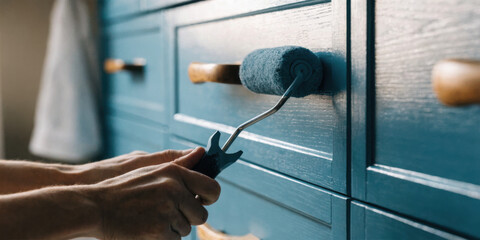
What Are the Best Cabinet Refinishing Ideas for a Fresh Kitchen Look?

A kitchen does not always need a complete renovation to feel fresh, inviting, and completely different. Sometimes, the cabinets are the first thing that needs attention because their color, finish, or overall appearance can make the entire room look dated. Instead of removing perfectly usable cabinets, refinishing them offers a chance to experiment with new colors, textures, and design details. The right cabinet refinishing idea can transform ordinary cabinetry into a feature that adds personality and style to the room. With thoughtful planning, even older cabinets can receive a refreshed appearance that feels intentional, modern, and suited to the rest of the space.

Refresh Cabinets With a New Paint Color

One of the simplest Cabinet Refinishing Modesto ideas is giving the cabinets a completely new paint color. A fresh color can dramatically change a kitchen’s mood without requiring changes to the cabinet layout. Light shades such as white, cream, beige, and soft gray can create a clean and open feeling. These colors can also work well with different countertop materials and decorative styles. Painting is particularly useful when the existing cabinets are structurally sound, but their current color no longer matches the desired design.

Homeowners who want something more distinctive can consider deeper shades for a stronger visual statement. Dark gray, navy, forest green, and other rich colors can create an elegant, sophisticated look. However, consider the surrounding elements before selecting a bold color. Wall colors, flooring, countertops, lighting, and hardware can all influence how the finished cabinets look. Testing a small section before committing to the entire project can help ensure that the selected color works well in the actual space.

Try a Two-Tone Cabinet Design

A two-tone cabinet design is another creative way to make refinished cabinetry more interesting. Instead of using one color throughout the kitchen, two complementary shades can be combined to create contrast. For example, lighter upper cabinets can be paired with darker lower cabinets for a balanced appearance. Another approach is to use a contrasting color on a central cabinet section while keeping the surrounding cabinetry neutral. This technique can make the kitchen appear more customized without changing the existing cabinet structure.

Choosing the right combination is important because the two colors should work together rather than compete for attention. Neutral combinations can create a subtle and timeless effect, while stronger contrasts can produce a more dramatic appearance. The size and lighting of the room should also influence the decision because very dark colors can feel heavier in smaller spaces. Hardware can be selected to complement both finishes and create a unified look. When carefully planned, two-tone refinishing can turn standard cabinetry into a major design feature.

Highlight Wood Grain With Staining

For cabinets made from suitable wood, staining can be an excellent refinishing idea. Unlike paint, stain allows the natural grain and character of the wood to remain visible. A new stain can make the cabinets appear warmer, richer, or more contemporary depending on the selected shade. Lighter stains can create an airy and natural appearance, while darker stains can provide depth and a more dramatic look. This option is especially appealing for homeowners who appreciate the texture and character of real wood.

The preparation process is particularly important when staining because the existing finish may need to be removed or properly prepared. Uneven preparation can cause the new stain to absorb inconsistently and create noticeable variations. Testing the stain on an inconspicuous section can help reveal how the wood will respond to the chosen color. A protective finish can then help preserve the appearance and provide additional resistance against everyday use. With proper preparation, staining can give older wood cabinets a refreshed appearance while maintaining their natural character.

Add Depth With a Glazed Finish

Glazing can provide another way to add visual depth to refinished cabinets. A glaze is typically applied over a base finish and manipulated to emphasize selected details of the cabinet design. It can draw attention to grooves, edges, raised panels, and other decorative features. Depending on the colors used, glazing can create either a subtle dimensional effect or a more aged and traditional appearance. This makes it a useful option for cabinets that have interesting details but currently look plain or flat.

The final appearance of a glazed finish depends heavily on the application technique. Too much glaze can make the cabinets appear overly dark or busy, while too little may not create enough contrast to notice the intended effect. The base color should also complement the glaze so the overall finish remains cohesive. Glazing works particularly well when the cabinet doors have profiles or architectural details that can naturally catch the darker finish. When applied carefully, this technique can make refinished cabinets look more customized and visually detailed.

Change the Look With New Cabinet Hardware

Replacing cabinet hardware can make a surprisingly large difference after refinishing. Knobs, pulls, and handles are small details, but they can strongly influence the overall style of the cabinetry. Modern hardware can make older cabinets feel more contemporary, while traditional hardware can reinforce a classic appearance. Simple hardware can also keep the focus on a newly applied cabinet finish. Since hardware is available in many shapes, sizes, and finishes, it provides an opportunity to personalize the refinishing project.

Hardware should be selected after considering the cabinet color and overall room design. Metallic finishes can provide contrast against painted surfaces, while matching finishes can create a more coordinated appearance. The size of the handles should also be appropriate for the cabinet doors and drawers. Oversized hardware can dominate smaller cabinets, while hardware that is too small may be inconvenient to use. A thoughtful combination of refinished cabinets and updated hardware can make the entire space appear more polished.

Create a Soft Matte Cabinet Finish

A matte finish can give refinished cabinets a contemporary and understated appearance. Unlike highly glossy surfaces, matte finishes reflect less light and can create a softer visual effect. They can work particularly well with neutral or muted cabinet colors because the reduced sheen allows the color itself to become the focus. Matte cabinetry can also provide a sophisticated appearance without making the kitchen feel overly formal. This makes it a useful choice for homeowners who prefer modern designs with a subtle finish.

The practical needs of the kitchen should still be considered when choosing a matte coating. Cabinets need to withstand frequent touching, cleaning, moisture, and everyday activity. Selecting a durable product designed for cabinetry can help maintain the finish over time. Proper preparation is also essential because matte surfaces may not hide significant imperfections as effectively as some other finishes. When the surface is properly prepared and the appropriate coating is selected, a matte finish can create a clean and refined result.

Give Cabinets a Classic Distressed Appearance

A distressed cabinet finish can be considered when a more relaxed, vintage, or rustic appearance is desired. This approach intentionally creates subtle signs of wear around selected edges and details. The goal is to make the cabinetry appear naturally aged rather than perfectly uniform. Distressing can work especially well with traditional cabinet profiles and warm neutral colors. It can also add personality to cabinetry that would otherwise have a very simple appearance.

The key to a successful distressed finish is restraint. Excessive distressing can make cabinets appear artificially damaged instead of naturally aged. Small areas of wear around edges, corners, and frequently touched sections can create a more convincing effect. The technique should also complement other elements in the kitchen rather than looking disconnected from them. When applied thoughtfully, a distressed finish can give refinished cabinets character while creating a comfortable and lived-in atmosphere.

Combine Refinishing Ideas for a Custom Look

Cabinet refinishing does not have to rely on only one technique. Several ideas can be combined to create a more personalized result. A homeowner might choose a new paint color, add a subtle glaze, install updated hardware, and apply a protective topcoat as part of the same project. Another option could involve staining natural wood cabinets and using contrasting hardware to emphasize the updated appearance. Combining techniques can make the finished cabinetry feel more intentional and unique.

However, combining too many design elements can make the cabinets look overly complicated. A successful refinishing project usually has one main visual idea supported by smaller complementary details. The cabinet color should remain compatible with the hardware, surrounding finishes, and overall room style. Samples and test areas can help determine whether the different elements work together before the entire project is completed. With a balanced approach, multiple refinishing ideas can produce a cohesive appearance without overwhelming the space.

Final Thoughts

Cabinet refinishing provides an opportunity to transform existing cabinetry through color, texture, hardware, and finishing techniques. A new paint color can create a dramatic change, while staining can preserve the natural beauty of suitable wood cabinets. Two-tone designs, glazing, matte finishes, and carefully selected hardware can add even more personality to the finished result. Distressed finishes can provide character, while combining several complementary ideas can create a customized appearance. The most successful refinishing project is one that balances personal style, practical needs, and the existing design of the room. With careful preparation and thoughtful choices, refinished cabinets can give a kitchen an updated appearance without the need for a complete cabinet replacement.

How Do You Get Rid of Rodents and Keep Them From Coming Back?

Rodents are among the most persistent household pests, capable of invading homes, garages, commercial buildings, storage spaces, and other structures in search of food, water, and shelter. While a single rodent may not seem like a serious concern at first, these animals reproduce quickly and can establish large populations if the problem is not addressed promptly. Beyond being a nuisance, rodents can damage property, contaminate food, chew through wiring and insulation, and create unhealthy living conditions. Understanding how to get rid of rodents and, more importantly, how to keep them from returning is essential for protecting both your property and your peace of mind.

rodents

Many property owners assume that simply removing the rodents they see will solve the problem. Unfortunately, visible rodents often represent only a small portion of a much larger issue. Rodents are highly adaptable, primarily active during quiet hours, and skilled at hiding inside walls, attics, crawl spaces, ceilings, storage rooms, and other concealed areas. Effective rodent control requires identifying why they entered the property in the first place and eliminating the conditions that continue attracting them. Find out more at https://www.benspest.biz/.

One of the reasons rodents are so successful is their remarkable ability to exploit even the smallest vulnerabilities in a building. Tiny gaps around doors, utility pipes, vents, rooflines, foundations, and windows can provide enough space for rodents to gain entry. Once inside, they quickly locate food, establish nesting areas, and begin reproducing. Because they prefer dark, undisturbed spaces, infestations often grow for weeks or even months before homeowners recognize the warning signs.

Early detection is one of the most important factors in successful rodent control. The sooner an infestation is discovered, the easier it is to prevent widespread damage and larger rodent populations. Property owners should remain alert for common signs such as droppings, gnaw marks, scratching sounds inside walls or ceilings, shredded nesting materials, unpleasant odors, damaged food packaging, and greasy rub marks along walls or baseboards. While these signs may seem minor individually, together they often indicate active rodent activity that requires immediate attention.

Rodents enter buildings because basic survival needs are readily available. Food is one of the strongest attractants. Crumbs beneath appliances, uncovered pantry items, overflowing trash containers, pet food left out overnight, birdseed, and improperly stored dry goods all provide reliable food sources that encourage rodents to remain indoors. Eliminating these food sources significantly reduces the attractiveness of the property.

Water is equally important. Rodents need regular access to moisture, making plumbing leaks, condensation, pet water bowls, clogged drains, and standing water highly attractive. Even relatively small water sources can support rodent populations for extended periods. Repairing leaks and maintaining dry indoor environments helps eliminate one of the essential resources rodents depend upon.

Shelter is the third major factor that attracts rodents. Cluttered garages, basements, attics, storage rooms, crawl spaces, and utility closets provide excellent nesting locations because they offer warmth, protection, and minimal human disturbance. Organizing these areas, reducing clutter, and eliminating unnecessary storage materials make the environment far less appealing to rodents.

Sealing entry points is one of the most effective long-term rodent prevention strategies. Unlike many other pests, rodents can squeeze through surprisingly small openings by compressing their bodies. Carefully inspecting the exterior of the building for cracks, gaps, damaged vents, loose siding, deteriorated weather stripping, and openings around utility penetrations allows homeowners to identify potential access points before rodents take advantage of them.

Doors and windows deserve particular attention because frequent use gradually creates gaps that may go unnoticed. Worn door sweeps, damaged weather seals, and improperly fitting windows can provide easy access for rodents. Maintaining these components not only improves pest control but also contributes to better energy efficiency throughout the property.

Roof inspections are equally important. Rodents frequently enter structures through damaged roofing materials, attic vents, loose flashing, or openings created by overhanging tree branches. Trimming vegetation away from the roofline while maintaining roofing materials reduces opportunities for rodents to enter from above.

Sanitation remains one of the strongest defenses against rodent infestations. A clean property naturally provides fewer resources for pests to survive. Regularly vacuuming floors, wiping food preparation surfaces, cleaning beneath appliances, storing food in sealed containers, and removing garbage promptly all help create an environment where rodents struggle to find reliable nourishment.

When preventing rodent infestations, focus on these essential priorities:

  1. Eliminate food, water, and shelter by practicing consistent sanitation, repairing moisture problems, and reducing clutter throughout the property.
  2. Seal potential entry points through routine building inspections and prompt maintenance of exterior openings, doors, windows, and utility penetrations.

These proactive measures significantly reduce the likelihood of rodents establishing long-term infestations.

Storage practices also influence rodent activity. Cardboard boxes, paper products, fabric materials, and cluttered storage areas provide ideal nesting materials for rodents. Replacing cardboard with durable storage containers and keeping stored belongings elevated above the floor makes storage areas less attractive while improving visibility during inspections.

Outdoor maintenance is another important component of rodent prevention. Tall grass, dense vegetation, wood piles, accumulated debris, and overgrown shrubs create sheltered pathways that allow rodents to approach buildings without exposure to predators. Maintaining a clean, organized landscape reduces hiding places while making the property’s perimeter easier to inspect.

Firewood should also be stored carefully. Stacking wood directly against exterior walls creates ideal shelter for rodents and places them close to potential building entry points. Keeping firewood elevated and positioned away from the structure helps reduce rodent activity while improving airflow around stored materials.

Garages and sheds often become overlooked during pest prevention efforts. These structures frequently contain pet food, birdseed, lawn equipment, stored clothing, and seasonal decorations that provide food and nesting opportunities. Regular cleaning, organized storage, and careful inspection of these areas support comprehensive rodent prevention across the entire property.

Professional rodent control services offer advantages that extend beyond simply removing existing rodents. Experienced pest management professionals understand rodent behavior, nesting habits, travel routes, and the most effective methods for locating hidden infestations. They also identify structural vulnerabilities and environmental conditions that contribute to recurring problems, helping property owners develop long-term prevention strategies.

Integrated pest management has become a preferred approach because it emphasizes prevention, monitoring, exclusion, sanitation, habitat modification, and targeted control methods rather than relying solely on repeated removal efforts. This comprehensive strategy addresses the root causes of infestations while minimizing opportunities for rodents to return.

Regular inspections remain valuable even after an infestation has been eliminated. Rodent activity can reappear if favorable conditions develop over time. Seasonal inspections allow property owners to identify new entry points, maintenance concerns, or environmental changes before rodents establish new colonies inside the building.

Weather patterns also influence rodent behavior. During colder months, rodents become increasingly motivated to seek warm indoor shelter, while periods of drought may drive them toward buildings in search of water. Understanding these seasonal changes allows homeowners to strengthen preventive measures before rodent activity increases.

Technology has also improved modern rodent management. Inspection tools, monitoring devices, moisture detection equipment, and improved exclusion materials allow pest professionals to identify hidden problems more accurately while developing more effective long-term management plans. These advancements support earlier detection and more efficient prevention.

Education remains one of the most valuable tools available to homeowners. Understanding how rodents enter buildings, what attracts them, and which maintenance practices reduce infestations empowers property owners to protect their homes proactively. Rather than waiting until rodents become visible, informed homeowners recognize subtle warning signs and respond before larger problems develop.

Property maintenance and rodent prevention go hand in hand. Small repairs such as replacing damaged screens, repairing cracked foundations, sealing utility openings, maintaining roofing materials, and improving drainage all contribute to a more secure structure that resists rodent intrusion. These routine maintenance activities provide benefits far beyond pest control by supporting the overall health of the building.

Another important consideration is protecting stored food supplies. Pantry items should be kept in tightly sealed containers made from durable materials rather than thin packaging that rodents can easily chew through. Pet food, birdseed, and bulk food storage deserve the same level of protection because these products frequently attract rodents when left accessible.

Businesses also benefit significantly from comprehensive rodent prevention programs. Restaurants, warehouses, offices, retail stores, storage facilities, and manufacturing environments all rely on clean, pest-free conditions to protect inventory, equipment, employees, and customers. Consistent inspections and preventive maintenance support both operational efficiency and public confidence.

To maintain long-term protection against rodents, remember these practical recommendations:

  1. Treat rodent prevention as an ongoing maintenance routine rather than responding only after visible activity appears inside the building.
  2. Combine sanitation, structural maintenance, routine inspections, and professional guidance to create a comprehensive rodent management strategy.

These consistent efforts help keep properties protected throughout the year while reducing the likelihood of recurring infestations.

One of the greatest financial benefits of rodent prevention is avoiding costly property damage. Rodents continuously gnaw to keep their teeth from becoming overgrown, often damaging electrical wiring, insulation, drywall, wood framing, stored belongings, plumbing materials, and household items in the process. Preventing infestations protects these valuable components while reducing repair expenses over time.

Rodent control also contributes to healthier indoor environments. Eliminating rodents reduces contamination from droppings, urine, nesting materials, and damaged food products while improving sanitation throughout the property. Clean, rodent-free spaces provide greater comfort and peace of mind for families, employees, and visitors alike.

Ultimately, getting rid of rodents and preventing their return requires much more than removing the animals themselves. Successful rodent control addresses every factor that supports their survival, including food availability, water sources, shelter, building access, and ongoing maintenance. By eliminating these favorable conditions, property owners create environments where rodents struggle to establish permanent populations.

Whether protecting a family home, rental property, commercial building, or storage facility, consistent prevention remains the most effective long-term solution. Routine inspections, prompt repairs, proper sanitation, organized storage, moisture control, and professional pest management all work together to create a comprehensive defense against rodent infestations.

Rodents are persistent, but they are not impossible to control. With thoughtful planning, regular maintenance, and proactive prevention, property owners can significantly reduce the risk of infestations while preserving the safety, cleanliness, and value of their buildings. Investing in long-term rodent prevention not only protects the structure itself but also creates a healthier, more comfortable environment that remains secure throughout every season.

What Are Concrete Hardscapes and How Do They Enhance Your Outdoor Space?

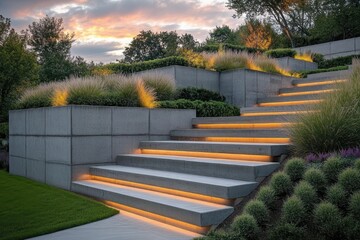
concrete hardscape

A beautiful outdoor space is much more than a healthy lawn and colorful plants. While landscaping introduces life, texture, and natural beauty to a property, hardscaping provides the structure that ties everything together. Among the many hardscaping materials available today, concrete remains one of the most versatile, durable, and cost-effective choices for residential and commercial properties alike. From elegant patios and winding walkways to retaining walls and outdoor gathering spaces, concrete hardscapes offer endless design possibilities while significantly improving both the appearance and functionality of outdoor environments.

Many property owners associate concrete only with basic sidewalks or driveways, but modern concrete hardscaping has evolved far beyond simple gray surfaces. Advances in installation techniques, decorative finishes, coloring methods, and texturing have transformed concrete into a highly customizable material capable of complementing virtually any architectural style or landscape design. Whether the goal is creating an inviting entertainment area, improving curb appeal, increasing property value, or enhancing accessibility, concrete hardscapes provide practical solutions that combine beauty with long-lasting performance. Contact GK Construction Solutions for specialized services.

At its core, hardscaping refers to the permanent, non-living features within a landscape. Unlike lawns, trees, flowers, and shrubs, hardscape elements consist of durable construction materials designed to create structure, organization, and usable outdoor spaces. Concrete serves as one of the most popular hardscape materials because it offers exceptional strength, design flexibility, and relatively low maintenance compared to many alternatives.

Concrete hardscapes can include patios, walkways, driveways, retaining walls, pool decks, outdoor kitchens, seating areas, steps, garden borders, courtyards, fire feature surrounds, and decorative landscape accents. Each of these elements contributes to a property’s overall appearance while providing practical benefits that improve how homeowners use and enjoy their outdoor living spaces.

One of the greatest advantages of concrete hardscapes is their ability to create organization throughout a landscape. Without clearly defined pathways, gathering areas, and transitions between different sections of the yard, outdoor spaces may feel disconnected or underutilized. Concrete features establish visual order by guiding movement, defining activity zones, and creating natural connections between the home, garden, and surrounding landscape.

Patios are among the most common examples of concrete hardscaping. A professionally designed patio extends the home’s living area outdoors, providing comfortable space for dining, entertaining, relaxing, or spending time with family and friends. Whether furnished with outdoor seating, dining tables, or decorative accessories, concrete patios create versatile gathering places that can be enjoyed throughout much of the year.

Walkways serve another important function by improving accessibility while enhancing the property’s overall design. Rather than allowing foot traffic to wear paths across the lawn, concrete walkways direct movement in an organized and attractive manner. Curved pathways create a relaxed, natural appearance, while straight designs contribute to a more formal aesthetic. Regardless of style, professionally installed walkways improve safety and help preserve surrounding landscaping.

Driveways also play a significant role in curb appeal. Since they often occupy a large portion of the property’s front exterior, their appearance contributes substantially to first impressions. Modern concrete driveways can incorporate decorative textures, borders, colors, and finishing techniques that complement the home’s architecture while providing exceptional durability under daily vehicle traffic.

Decorative concrete has become increasingly popular because it offers the appearance of premium materials while maintaining the durability and affordability of traditional concrete. Stamped finishes can replicate the look of natural stone, brick, wood, or tile, while colored concrete introduces warmth and visual interest that extends far beyond conventional gray surfaces. These decorative options allow homeowners to personalize their outdoor spaces without sacrificing performance.

Texture is another important feature of decorative concrete. Carefully selected finishes improve slip resistance while creating attractive surfaces that complement surrounding landscaping. Textured concrete is particularly valuable around pools, patios, walkways, and outdoor entertainment areas where both safety and appearance are important considerations.

Retaining walls represent another valuable application of concrete hardscaping. Properties with sloped terrain often require structural support to prevent erosion while creating usable outdoor space. Concrete retaining walls stabilize soil, improve drainage, and establish attractive planting areas while introducing architectural interest throughout the landscape. When properly designed, retaining walls blend functionality with aesthetics to enhance both the property’s stability and visual appeal.

Outdoor living continues to grow in popularity, making hardscape design more important than ever. Homeowners increasingly seek outdoor environments that function as natural extensions of their indoor living areas. Concrete provides an ideal foundation for outdoor kitchens, dining areas, lounge spaces, fire features, pergolas, and entertainment zones that support year-round enjoyment of the property.

When planning concrete hardscape improvements, focus on these important design priorities:

  1. Create functional outdoor spaces that complement the property’s layout while supporting everyday activities such as entertaining, dining, relaxation, and family gatherings.
  2. Coordinate hardscape materials, colors, textures, and surrounding landscaping to establish a cohesive design that enhances the home’s overall appearance.

These foundational principles help ensure that concrete hardscapes contribute both beauty and long-term usability.

Durability remains one of concrete’s strongest advantages. Properly installed concrete withstands heavy foot traffic, changing weather conditions, temperature fluctuations, and years of regular use with relatively minimal maintenance. Unlike some outdoor materials that require frequent replacement or refinishing, concrete maintains its structural integrity for decades when installed and maintained correctly.

Maintenance requirements are another reason many homeowners choose concrete hardscapes. Routine cleaning, occasional sealing where appropriate, and prompt attention to small surface issues generally keep concrete looking attractive for many years. Compared to materials requiring frequent staining, replacement, or extensive repairs, concrete offers an appealing balance between performance and long-term maintenance costs.

Water management also benefits from well-designed concrete hardscapes. Proper grading, drainage planning, and strategically positioned hardscape elements help direct rainwater away from structures while reducing erosion and protecting surrounding landscaping. Experienced contractors carefully consider drainage during the planning stage to ensure that hardscape installations contribute positively to the property’s long-term health.

Concrete hardscapes also provide valuable support for landscape design. Planting beds appear more organized when bordered by walkways or retaining walls, while patios create visual contrast against surrounding greenery. This combination of living and non-living elements creates balanced outdoor environments that feel intentional and professionally designed rather than random or overcrowded.

Lighting further enhances the impact of concrete hardscapes. Integrated pathway lighting, accent lighting around patios, and carefully illuminated retaining walls improve both safety and ambiance after sunset. Concrete surfaces reflect light effectively, helping create inviting outdoor spaces that remain functional well into the evening.

Property value is another important consideration. Attractive outdoor living spaces continue to rank among the most desirable home improvements because they increase usable living area while enhancing curb appeal. Well-designed concrete hardscapes often contribute positively to a property’s marketability by demonstrating quality construction and thoughtful landscape planning.

Sustainability has also become an increasingly important factor in outdoor design. Concrete’s long lifespan reduces the need for frequent replacement, helping minimize material waste over time. Modern installation techniques may also incorporate environmentally responsible practices that improve drainage, reduce runoff, and support more efficient landscape management.

One of the greatest strengths of concrete is its remarkable design versatility. Contemporary concrete can complement virtually any architectural style, from sleek modern homes to traditional residences and rustic outdoor settings. Through decorative finishes, custom patterns, exposed aggregate, scoring, staining, and coloring techniques, concrete adapts to a wide range of aesthetic preferences while maintaining consistent performance.

Custom design opportunities allow homeowners to personalize their outdoor environments according to their lifestyle and preferences. Some prioritize expansive entertainment patios, while others prefer peaceful garden pathways or functional outdoor workspaces. Concrete provides the flexibility necessary to accommodate these unique goals without compromising structural integrity.

Professional installation plays a critical role in the long-term success of any concrete hardscape project. Site preparation, excavation, grading, reinforcement, concrete placement, finishing, curing, and joint planning all influence the durability and appearance of the completed installation. Experienced contractors understand how environmental conditions, soil characteristics, and intended use affect every stage of construction, helping ensure lasting performance.

Timing is another important consideration. Concrete installation requires appropriate weather conditions and sufficient curing time to achieve optimal strength. Proper scheduling allows contractors to complete each stage carefully while minimizing disruptions to the surrounding landscape.

As outdoor spaces evolve, concrete hardscapes continue to provide a stable framework for future improvements. Additional landscaping, outdoor furniture, decorative features, lighting, and seasonal plantings can all be incorporated around existing hardscape elements without requiring major structural modifications. This flexibility allows homeowners to gradually enhance their outdoor environments as needs and preferences change.

When investing in concrete hardscapes, keep these practical recommendations in mind:

  1. Prioritize professional design and installation to ensure proper drainage, structural integrity, and long-term durability.
  2. Think beyond immediate appearance by selecting designs that will continue supporting your lifestyle, maintenance preferences, and property value for many years.

These thoughtful decisions maximize both the beauty and functionality of every hardscape investment.

Another often-overlooked benefit of concrete hardscapes is their ability to improve everyday convenience. Clearly defined walkways reduce muddy foot traffic, patios provide dependable outdoor gathering areas, retaining walls create level spaces for gardening, and driveways offer durable vehicle access. These practical improvements enhance daily life while making outdoor spaces easier to maintain and enjoy.

Concrete also pairs exceptionally well with other landscape materials. Natural stone accents, decorative gravel, wood features, metal railings, lush greenery, and colorful flowering plants all complement concrete’s clean, versatile appearance. This compatibility allows homeowners to create layered, visually rich landscapes that combine structure with natural beauty.

Ultimately, concrete hardscapes are much more than functional construction elements. They establish the foundation of a thoughtfully designed landscape by creating organization, improving accessibility, supporting outdoor living, and enhancing the property’s overall appearance. Their versatility, durability, and design flexibility make them one of the most valuable investments homeowners can make when improving their outdoor spaces.

Whether the project involves building a welcoming patio, installing elegant walkways, constructing retaining walls, or creating complete outdoor entertainment areas, concrete hardscapes provide lasting solutions that balance beauty with practicality. Their ability to withstand years of use while adapting to countless design styles ensures they remain one of the most popular choices for landscape improvements.

For homeowners seeking to transform their outdoor environments into functional, attractive, and valuable extensions of their homes, concrete hardscapes offer exceptional possibilities. Through thoughtful planning, quality materials, and expert installation, these permanent landscape features create comfortable outdoor spaces, inviting, and built to stand the test of time. By blending structural reliability with creative design, concrete hardscapes continue to enhance properties while providing lasting enjoyment for families and visitors alike.